Interventional radiology, treatment without surgery
14 June 2026 · By Radiology Mauritius
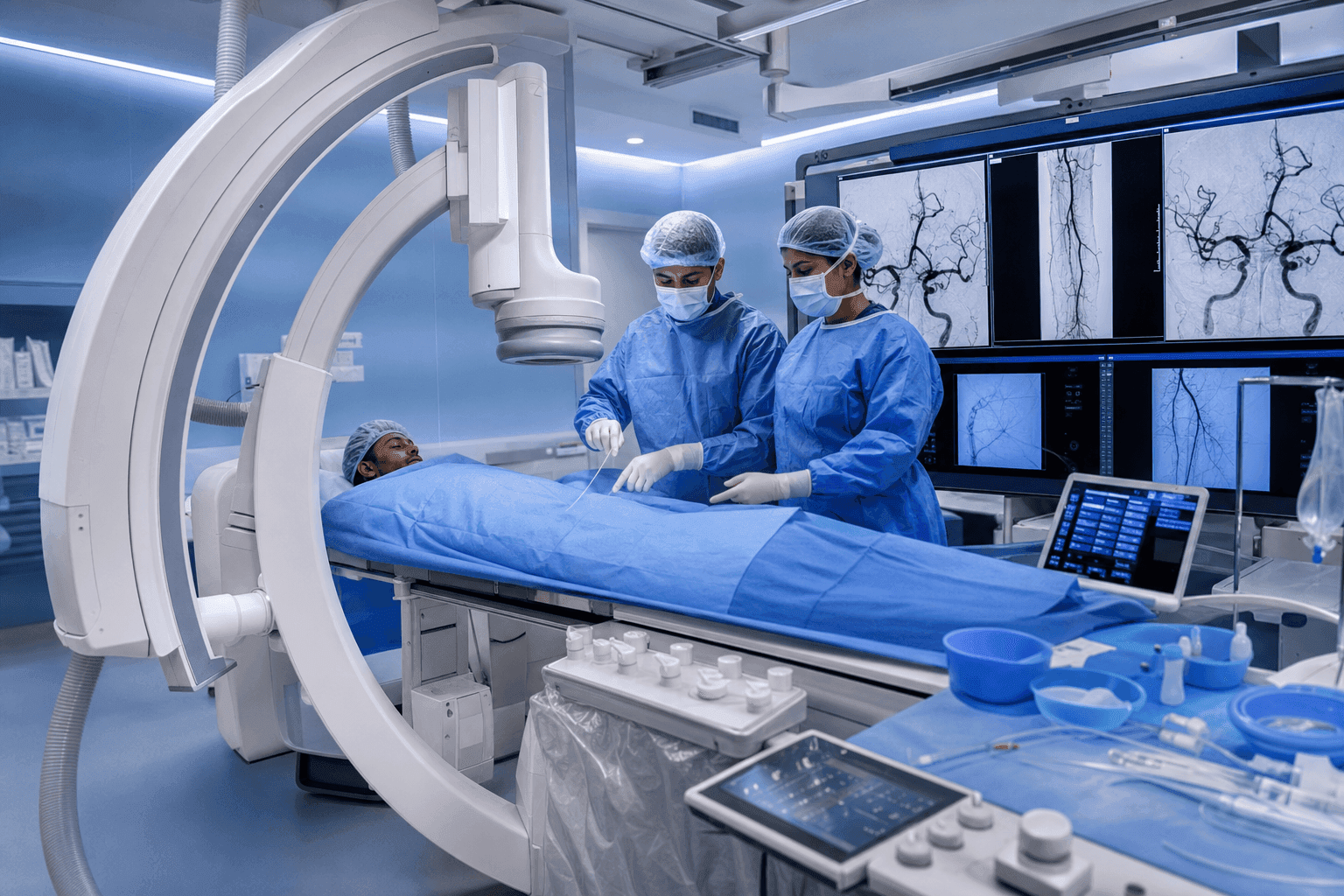
Imaging that treats, not just diagnoses
Most people think of radiology as taking pictures, an X-ray of a broken bone or a scan to find the cause of a pain. But there is a whole branch of the field where those same imaging tools are used to treat problems directly, often through a tiny opening in the skin rather than a large surgical cut. This is interventional radiology, and it has transformed the care of many conditions.
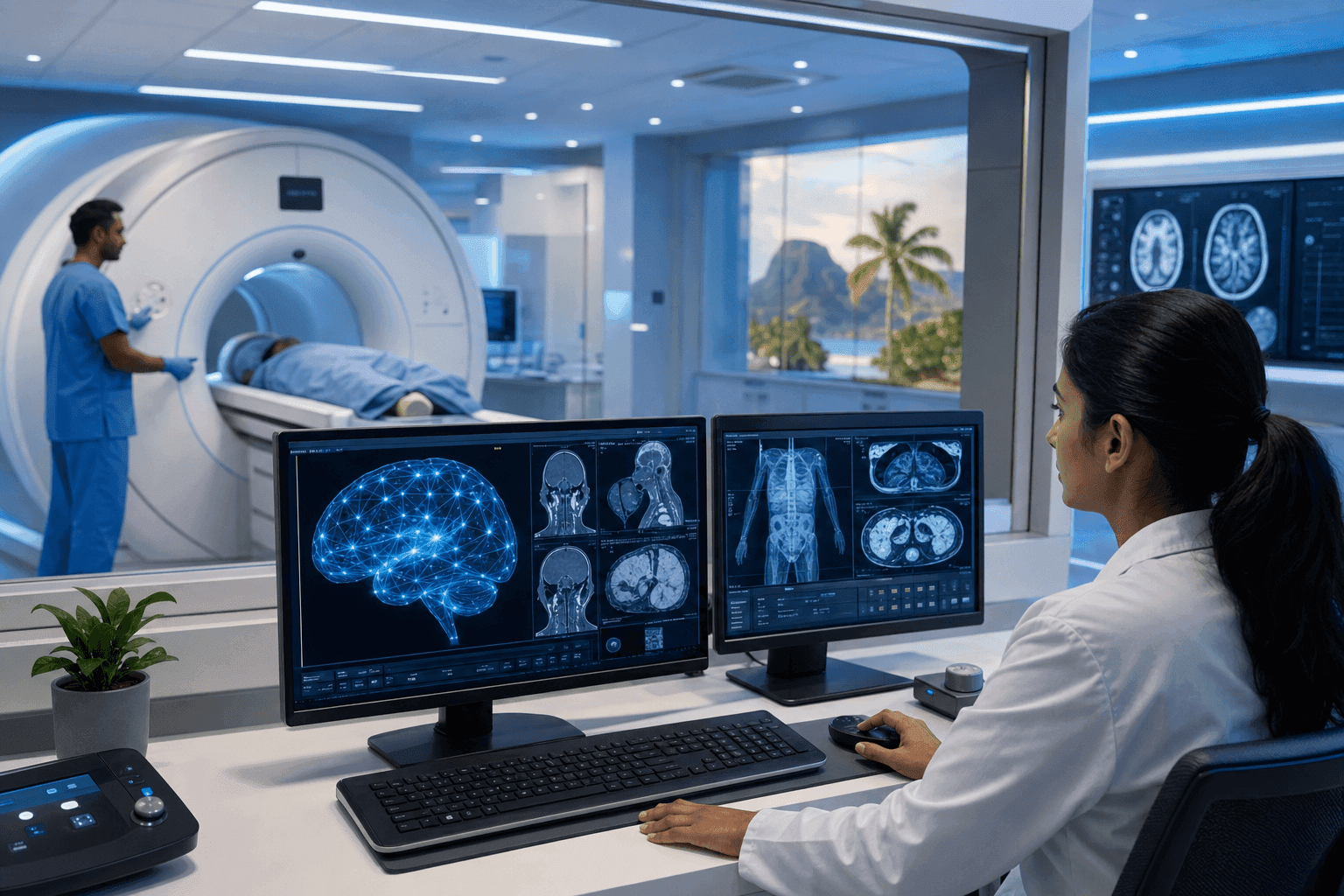
The idea is simple and powerful. Instead of opening the body to reach a problem, the interventional radiologist uses live imaging as a guide to steer very fine instruments to exactly the right spot from the inside.
How it works
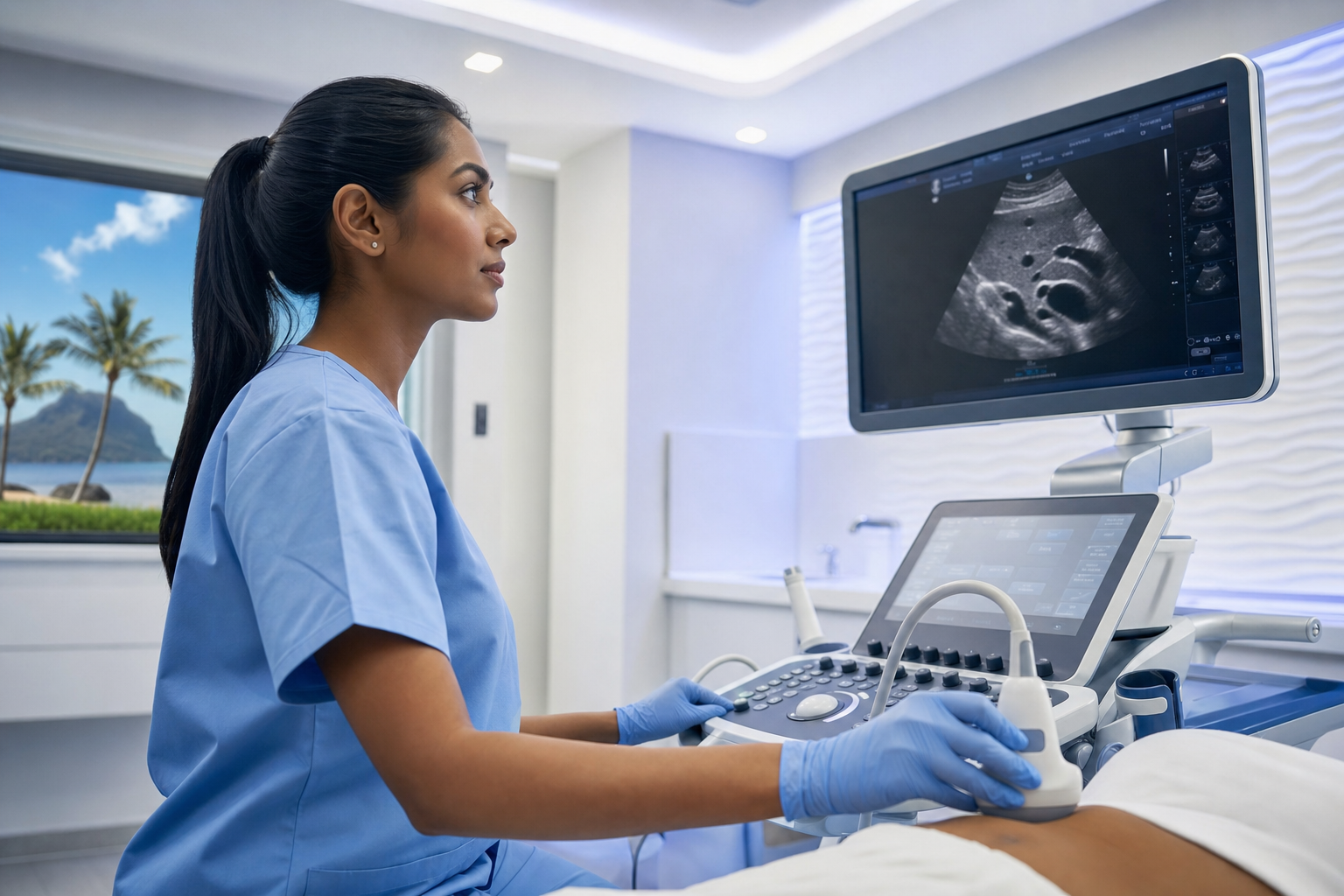
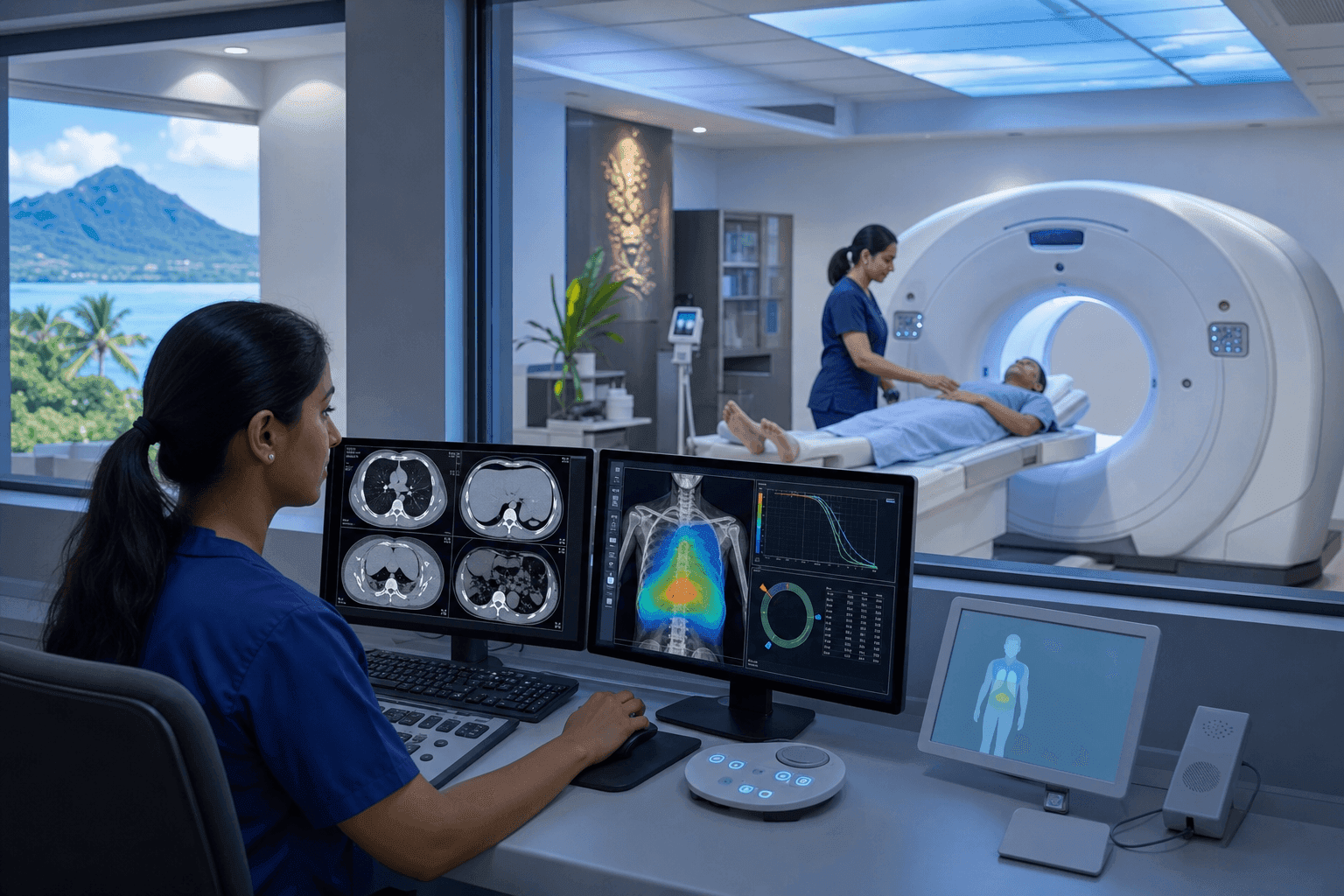
An interventional procedure usually begins with a small puncture, often in a blood vessel in the groin, the wrist, or the arm. Through this tiny entry point the doctor threads thin, flexible tubes called catheters and fine guidewires. Using live X-ray, ultrasound, or CT to see the path, the radiologist navigates these instruments through the body to the target, whether that is a blocked artery, a bleeding vessel, or a tumour.
Because the opening is so small, often just a few millimetres, there is usually no need for large incisions or a general anaesthetic. Many procedures are done with local anaesthetic and light sedation, so you stay comfortable and often awake.
Common procedures
Interventional radiology covers a wide and growing range of treatments. A few examples show how varied it is.
Angioplasty and stenting open narrowed or blocked arteries. A tiny balloon is guided to the narrowing and inflated to widen it, and a small mesh tube called a stent may be left behind to hold the vessel open. This can restore blood flow to the heart, legs, or other organs.
Embolisation does the opposite, deliberately blocking a blood vessel. It is used to stop dangerous bleeding, to shrink certain tumours by cutting off their blood supply, and to treat conditions such as fibroids in the womb without removing the organ.
Image guided biopsy uses a scan to steer a fine needle precisely into a suspicious area so a small tissue sample can be taken for testing, avoiding open surgery just to reach a diagnosis.
Drains and lines can be placed accurately, for example to drain an infected collection of fluid or to insert a long term line for medication, all guided by imaging.
Tumour ablation uses heat, cold, or other energy delivered through a needle to destroy small tumours in organs such as the liver or kidney, again without a major operation.
Why patients benefit
The advantages of this approach are real and easy to understand. A small puncture instead of a large wound usually means less pain, a much lower risk of infection, and far less scarring. Recovery tends to be faster, and many patients go home the same day or after a short stay rather than a long one. For people who are frail or who would face high risks from major surgery, an interventional option can make treatment possible when an operation would not be safe.
Precision is another benefit. Because the doctor is watching live images throughout, instruments can be placed with great accuracy, targeting the problem while sparing the healthy tissue around it.
What to expect
Before the procedure the team will explain what will happen, check your medicines, and may ask you to fast for a few hours. During the procedure you lie on an imaging table while the radiologist works through the small entry point, watching the screens. You may feel pressure but should not feel sharp pain, and you can tell the team at any time how you feel.
Afterwards you will be observed for a period, especially where a blood vessel was entered, to make sure the puncture site has settled. Many people return to normal activities within a day or two, though the team will give advice specific to your treatment.
The takeaway
Interventional radiology brings together imaging and treatment, allowing doctors to fix problems from the inside through openings only a few millimetres wide. It can open blocked arteries, stop bleeding, take precise biopsies, drain infections, and even treat some tumours, often without a general anaesthetic and with a quick recovery. For patients in Mauritius it offers a gentler route to treatment for a growing list of conditions. If your doctor mentions an interventional option, it is worth asking how it compares with surgery for your situation, the answer is often reassuring.
Clear imaging is the first step to an accurate diagnosis. Explore the wider Medtech health ecosystem.