The report is a letter between doctors
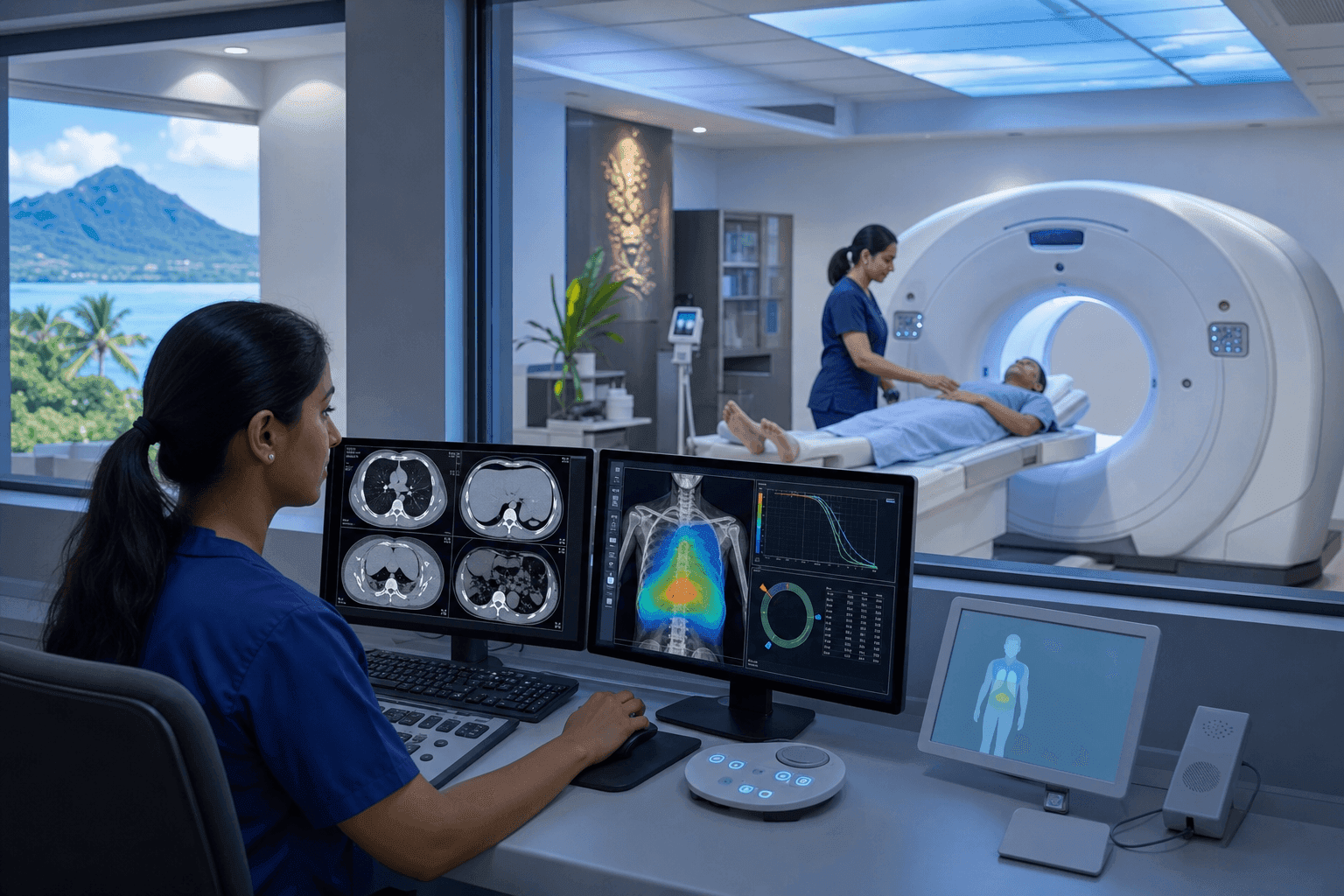
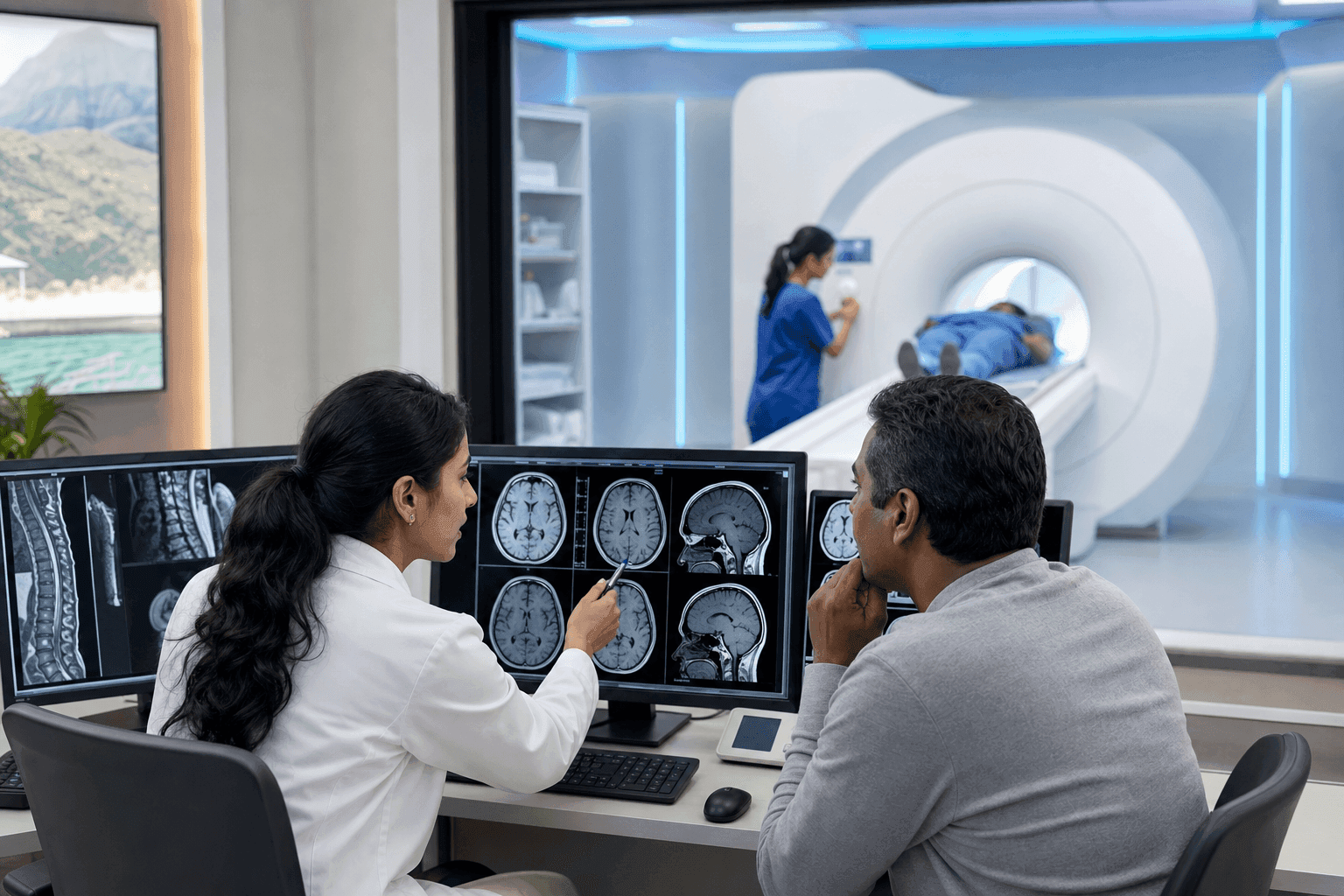
After a scan, the images are studied by a radiologist, a doctor who specialises in reading medical imaging. The radiologist writes a report describing what the pictures show, and this report is sent to the doctor who requested the test. In effect, the report is a letter written by one doctor to another. That is why it can read as technical and, at times, a little alarming to a patient who sees it first.
Understanding how these reports are structured can take away a great deal of the worry. Here is what the main parts usually mean.
The standard sections
Most radiology reports follow a similar pattern.
The clinical information or indication states why the scan was done, for example knee pain after a fall or a persistent cough. This tells the radiologist what to look for.
The technique section describes exactly what was performed, such as which body part was scanned, whether contrast dye was used, and the type of study. It is there for the record and for other doctors who may review your care later.
The findings section is the heart of the report. Here the radiologist describes everything seen in the images, area by area. This part often contains the most medical language.
The impression or conclusion is usually the most important part for you and your doctor. It is a short summary of what the findings mean and answers the original question. If you read only one section, this is the one to focus on, ideally alongside your doctor.
Words that sound worse than they are
Radiology reports are careful and precise, which sometimes makes ordinary findings sound frightening. A few common examples help.
Unremarkable is good news. It means the area looked normal, with nothing to report.
No acute finding means there is no new or urgent problem, such as no fresh fracture or bleeding.
Degenerative changes usually describe normal wear and tear that comes with age, very common in the spine and joints, and not the same as a serious disease.
An incidental finding is something spotted by chance that was not the reason for the scan. Many incidental findings are harmless, though some need a simple follow up to be sure.
Clinical correlation is advised is a request for your doctor to combine the scan with your symptoms and examination, because the picture alone does not tell the whole story.
Why the wording is so cautious
Radiologists describe what they see honestly, including small and uncertain findings. They may suggest a follow up scan or a further test not because something is definitely wrong, but because being thorough is the safest approach. A recommendation for another scan in a few months is often simply a way of confirming that a minor finding is stable and harmless.
How to read your report wisely
If you receive your report before seeing your doctor, try not to search every phrase online and assume the worst. Medical terms have precise meanings that differ from everyday use, and a search engine cannot weigh a finding against your personal health the way your doctor can.
It helps to focus on the impression, note any words you do not understand, and write down your questions for your appointment. Bring the report and, if you have them, the images or the disc to your consultation.
Questions worth asking your doctor
A few simple questions can turn a confusing report into a clear plan. You might ask what the main finding means for you, whether it explains your symptoms, whether anything needs treatment or simply monitoring, and when the next step should happen. There are no foolish questions, and the imaging and medical teams would much rather you ask than worry in silence.
The takeaway
An imaging report is a precise, cautious note written by a radiologist for your doctor, not a verdict meant to be read alone. The impression is the section that sums up what it all means, and many technical phrases are far less worrying than they sound. In Mauritius, as everywhere, the best understanding comes from reading the report together with the doctor who knows your full story. If a word or a result concerns you, ask, a short conversation usually replaces a lot of anxiety.
Clear imaging is the first step to an accurate diagnosis. Explore the wider Medtech health ecosystem.